

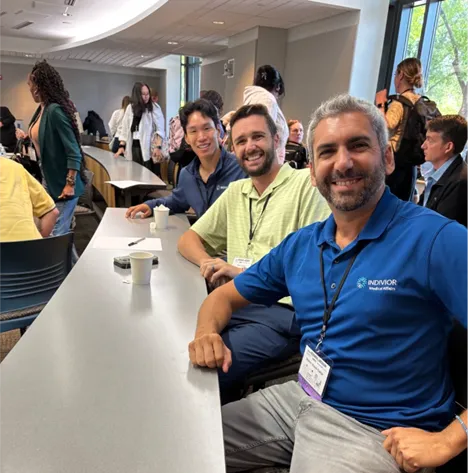
This May, the Indivior team joined the addiction recovery community in Richmond, Virginia for Virginia Commonwealth University’s (VCU) Research to Recovery 2026 conference from May 20-21. The conference was organized by Rams in Recovery, a Collegiate Recovery Program (CRP) at VCU that provides support for students in recovery from substance use disorders who are seeking a degree in higher education.
Bridging science, lived experience, and frontline practice, Research to Recovery brought together the people who make recovery happen every day: peer recovery specialists, community clinicians, family advocates, harm reductionists, and individuals in long-term recovery.
Meeting Recovery Where It Happens
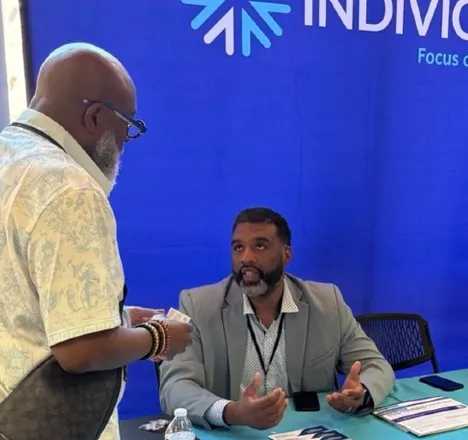
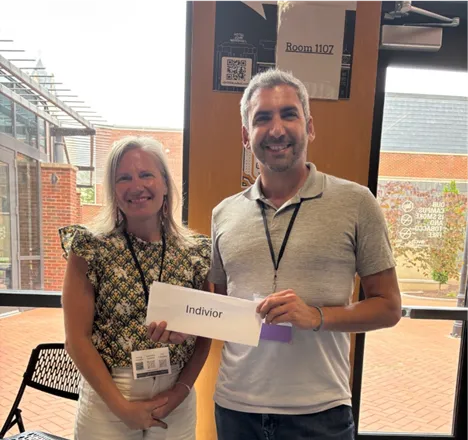
Conversations at the Indivior booth with practitioners who work directly with individuals and families affected by substance use disorders centered on thoughtful questions about long-acting injectable (LAI) buprenorphine formulations (or extended-release buprenorphine) and their role in opioid use disorder (OUD) treatment. There was particular interest in safety profiles across different life stages — critical information for those serving disparate populations.
These conversations reinforced the importance of making information about the full spectrum of medication for opioid use disorder (MOUD) options accessible to frontline providers in community settings. MOUD — sometimes called medication-assisted treatment (MAT) — uses FDA-approved medications combined with counseling and behavioral therapies to treat OUD and support long-term recovery.
These conversations reinforced the importance of making information about the full spectrum of medication for opioid use disorder (MOUD) options accessible to frontline providers in community settings. MOUD — sometimes called medication-assisted treatment (MAT) — uses FDA-approved medications combined with counseling and behavioral therapies to treat OUD and support long-term recovery.
Lived Experience Drives the Work
What made Research to Recovery truly distinctive was the depth of personal connection. Many attendees shared their own stories: losing a child to overdose, serving time in the justice system, battling addiction themselves, and now supporting others in recovery.
This is a population united by purpose, not just profession. Their passion and lived expertise are what drive meaningful, lasting change in communities. This is exactly the kind of energy needed to transform how we approach addiction care.
Sessions That Resonated
The conference featured powerful presentations that underscored why systemic change matters for sustained and meaningful recovery from substance use disorders, including opioids:
- "Complete Freedom from Opioid Addiction" – Dr. Peter Coleman (physician in recovery, founder of The Coleman Institute) explained the neuroscience of addiction and how medications like buprenorphine work to reduce cravings and withdrawal symptoms by "eliminating obsessive thinking about dosing." By partially activating opioid receptors without producing euphoria, buprenorphine helps stabilize brain chemistry — and especially with long-acting formulations — it also removes the burden of daily medication management.
- "Caring for Two: Integrating Pregnancy and Addiction Care" – VCU Health’s OB MOTIVATE team presented their co-located model for treating opioid use disorder during pregnancy, serving pregnant individuals with substance use disorders. The team emphasized that buprenorphine treatment during pregnancy is safe, evidence-based, and critical for better maternal and neonatal outcomes, addressing common concerns about medication-assisted treatment for pregnant women.
- "Family Connections" – Mothers, advocates, and clinicians discussed intergenerational trauma, boundary-setting as self-care, and the importance of family recovery alongside individual recovery.
- "Working with Justice Involved Individuals" – A roundtable discussion on system navigation challenges, reentry barriers, and the power of human connection and shared lived experience in supporting people transitioning from incarceration.
- "Supporting Families Affected by Substance Use in the Child Welfare System" – VCU's Child Welfare and Addiction Fellowship program shared how longitudinal training, peer consultation, and supervision help case workers better support families affected by substance use disorders, reducing stigma and improving engagement.
Each session reinforced a core truth: recovery is about more than abstinence — it's about dignity, autonomy, connection, and meeting people where they are.
Why This Matters: Looking Ahead
Authentic engagement with the recovery ecosystem helps translate clinical guidelines into kitchen-table conversations. These attendees were acutely aware of which patients struggle with daily dosing, who faces barriers to clinic access, and who needs options that fit their lives. The conversations at Research to Recovery reaffirmed to us that advancing recovery requires partnership at every level: from correctional health policy to grassroots harm reduction, from hospital-based OB care to peer-led support circles.
By showing up in spaces like this — listening to frontline challenges and learning what communities actually need — we build stronger connections between pharmaceutical innovation and real-world impact.
Share