

Science Is More than Discovery.
It’s a commitment to advancing evidence-based treatments that help people with opioid use disorder (OUD) pursue meaningful recovery.
Our scientific leaders bring deep expertise, relentless curiosity, and a shared belief that innovation can change patient outcomes. Their work reflects Indivior’s mission: to push the boundaries of what’s possible in addiction science and to transform recovery through rigorous research, compassion, and integrity.
Get to know some of our scientific leaders — and what inspires and drives them — below.
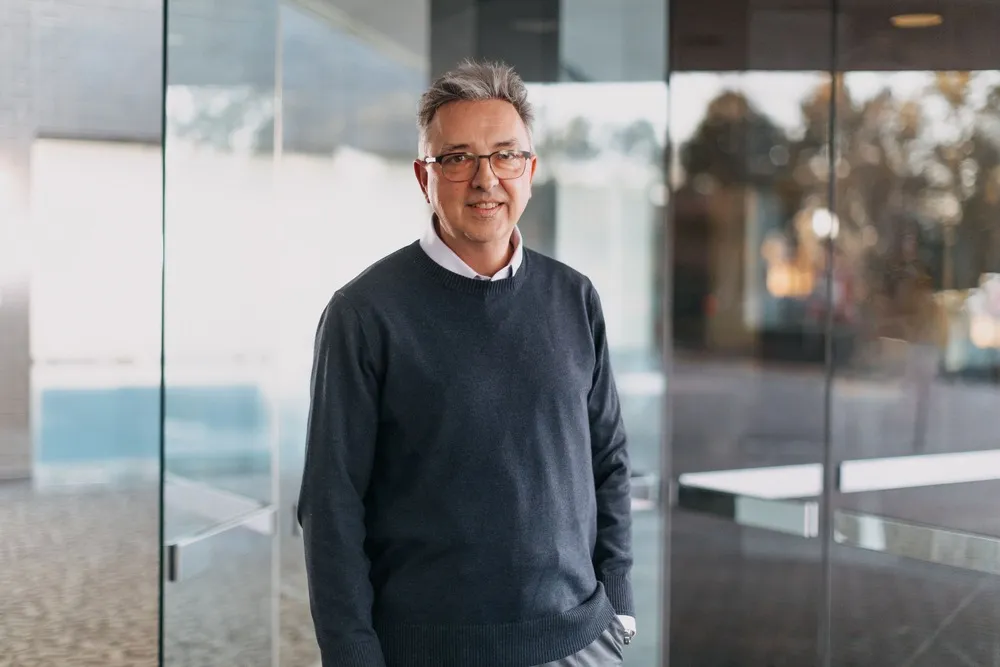
Christian Heidbreder, Chief Scientific Officer
My interest in science was ignited by the pioneering work of Aleksander Luria in neuropsychology. He proposed that higher cognitive processes are not confined to isolated regions of the brain but instead emerge from interconnected functional systems. That idea — that complexity arises from integration — profoundly shaped my thinking. Today, modern neuroscience confirms this through evidence of functional connectivity across brain networks, but at the time, it was a transformative way to understand how the brain gives rise to behavior.
A defining moment in my trajectory came in the mid-1980s when I began working on brain stimulation reward, also known as intracranial self-stimulation. Demonstrating that targeted electrical stimulation of specific brain regions could reinforce behavior opened an extraordinary window into the biology of motivation. It allowed me to explore reward, anhedonia — the reduced ability to experience pleasure — and aversion (dysphoria), all of which are central to understanding psychiatric disorders characterized by dysregulated motivation.
Over the course of my career, I have been honored to contribute to meaningful regulatory milestones, including the approvals of transmucosal buprenorphine film in 2010 and SUBLOCADE® in 2018 — advances that transformed treatment options for people living with opioid use disorder. Academically, I am especially proud of a landmark study mapping the medial prefrontal cortex. After two years of collaboration with a world-renowned neuroanatomist, we demonstrated that neurons originating from deep layers of this region control fundamentally different brain functions than those arising from superficial layers. We further showed that subtle dysfunctions within these networks may contribute to psychiatric conditions such as schizophrenia, obsessive-compulsive disorder, depression, sociopathy, and substance use disorder. That work reinforced my conviction that understanding brain circuitry is essential to developing effective treatments.
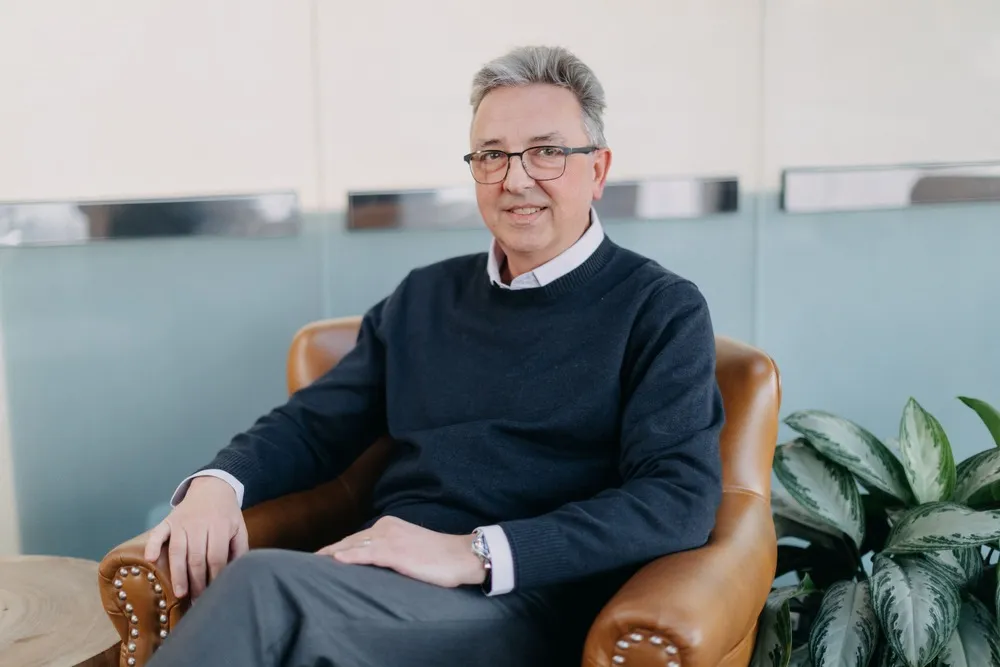
What makes this organization a unique place to do science is its mission-driven culture. I am continually inspired by colleagues who are unwavering in their commitment to leveraging rigorous scientific evidence to improve patients’ lives and build a more sustainable future. Here, science is not pursued in isolation — it is directly connected to people, purpose, and impact.
Two guiding principles have shaped my career. The first, from Condorcet: “Friends of the truth are those who seek it, not those who boast of having found it.” The second, from Dr. Paul Janssen: “The human mind is like a parachute. It works best when it is open.” Together, they reflect the mindset I believe science demands — intellectual humility and openness.
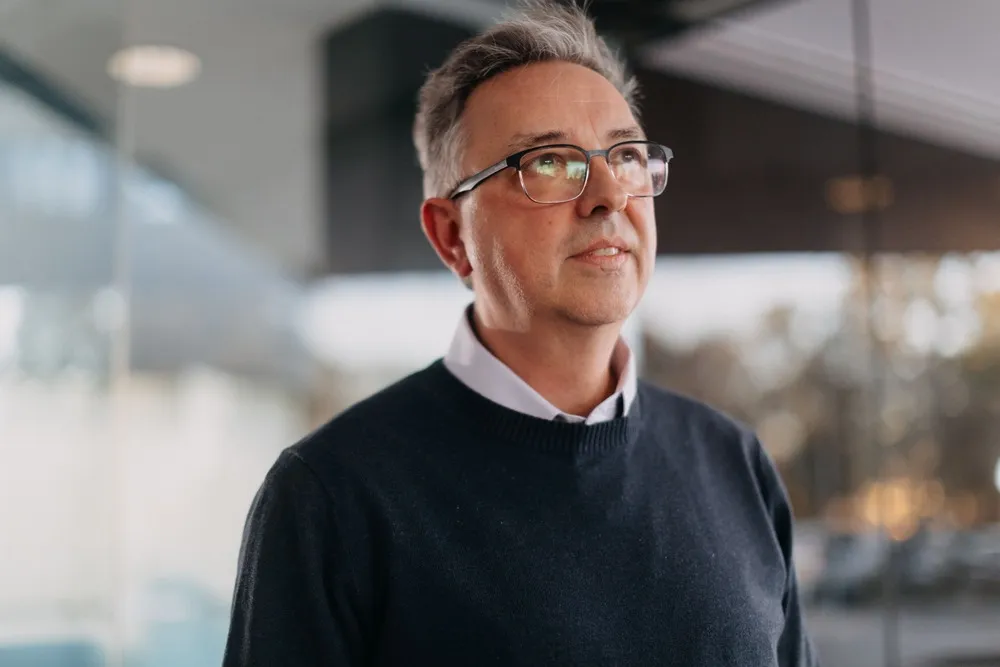
When it comes to pursuing a career in science, perseverance and reinvention are essential. Success in science is rarely linear. There will be moments in a scientific career when the path is unclear, when obstacles seem insurmountable, but you should continue to push forward, always staying focused on your long-term objectives. Perseverance is what separates fleeting success from sustained achievement. Reinvention is the secret to longevity in a world of constant change. Reinvention is not about abandoning your mission; it is about adapting to the ever-shifting landscape around you.
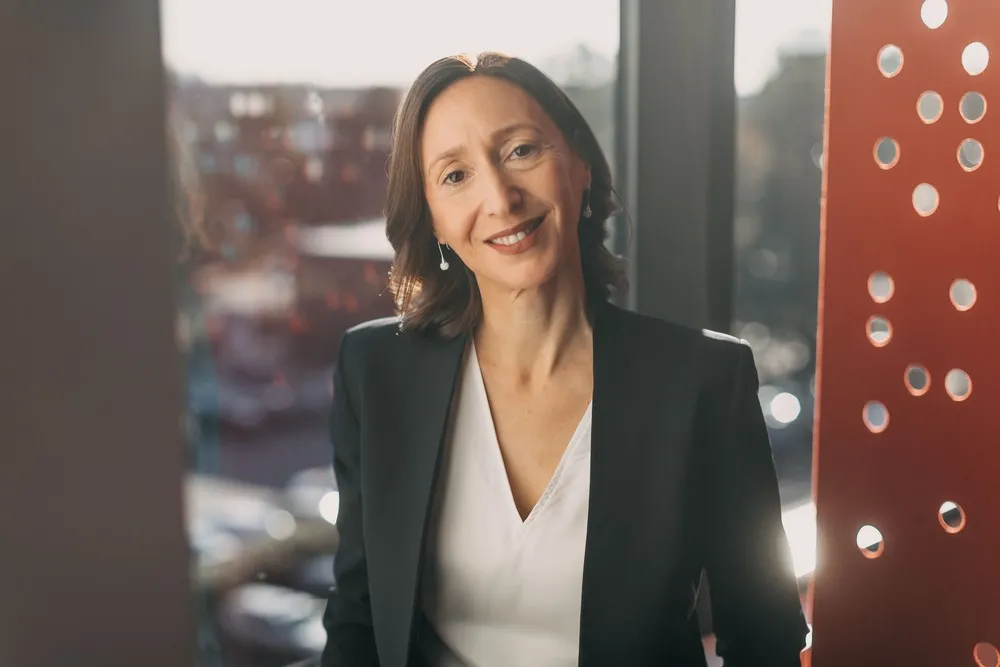
Celine Laffont Head, Clinical Pharmacology Research & Development
My journey into scientific leadership began with a childhood dream of becoming a veterinarian. While my early studies focused on animal health, a pivotal conversation with my university’s Department of Pharmacology and Toxicology revealed a different path — one centered on understanding how medicines work at their core.
I went on to earn a PhD in Pharmacology, launching a career in clinical research dedicated to translating science into meaningful treatments for patients.
Throughout my career, mentorship has played an important role in shaping my growth as both a scientist and a leader. At Indivior, participating in the two-year Indivi-me mentorship program broadened my perspective and deepened my understanding of the addiction landscape. It reinforced a belief that guides my work today: transformative medicines are never developed alone — they are built through collaboration, shared expertise, and a collective commitment to patients.
I am especially proud of our team’s work developing SUBLOCADE®, an injectable form of buprenorphine for opioid use disorder (OUD). It truly takes a village to develop a new medicine, and when I hear from physicians or patients that this treatment is changing lives, I couldn’t be prouder of what we have achieved.
My dedication to addiction science is also personal. Like many colleagues, I have seen the impact of substance use disorder within my own family. I understand that people living with OUD remain underserved and often face stigma, with too few receiving evidence-based medications. Advancing recognition of OUD as a treatable brain disease — and expanding access to science-driven care — is both a professional mission and a personal commitment.
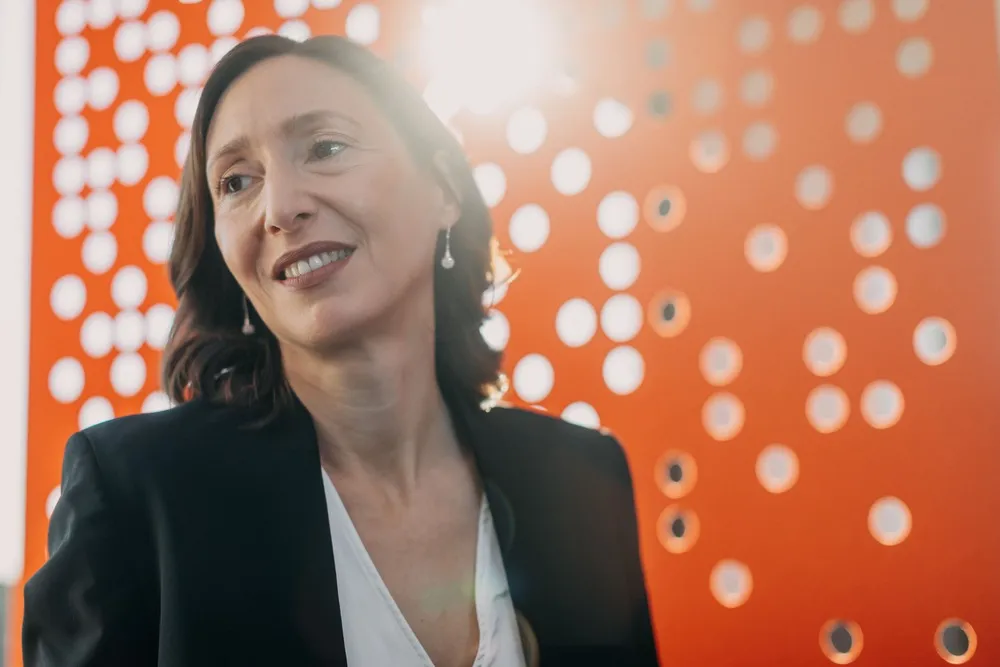
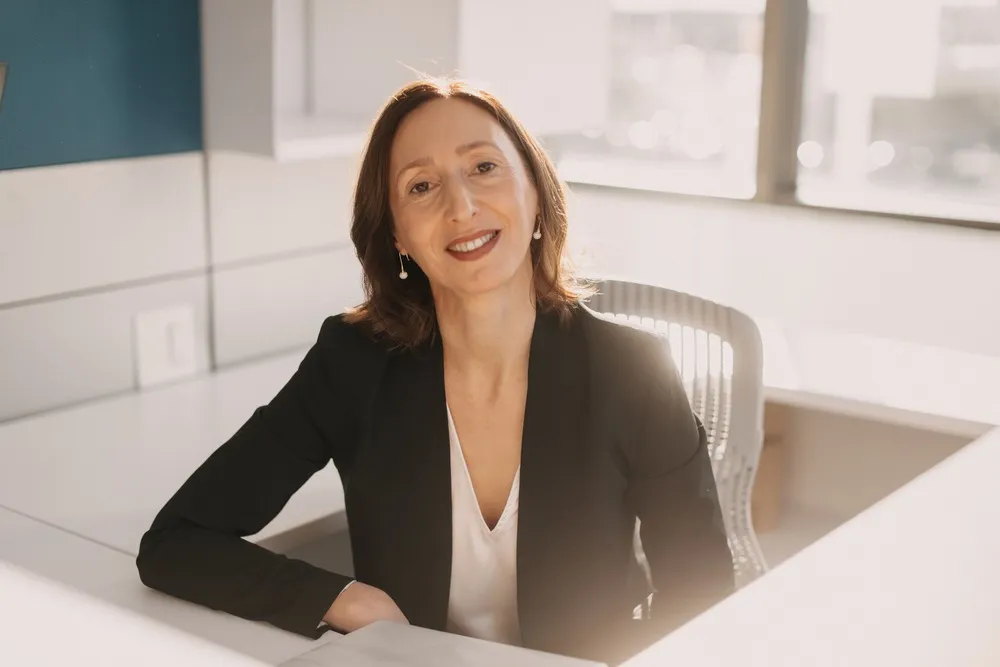
As Head of Clinical Pharmacology Research & Development, I lead work that blends clinical science, mathematics, and programming to model how drugs behave in the body and how individual patient factors influence outcomes. This work requires constant learning and adaptation. What keeps me inspired is the opportunity to solve complex scientific challenges alongside colleagues in a shared spirit of rigor, integrity, and an unwavering commitment to advancing science.
For me, science is ultimately about possibility — the belief that even the most complex challenges can be overcome. I often reflect on the words of Nelson Mandela: “It always seems impossible until it’s done.”
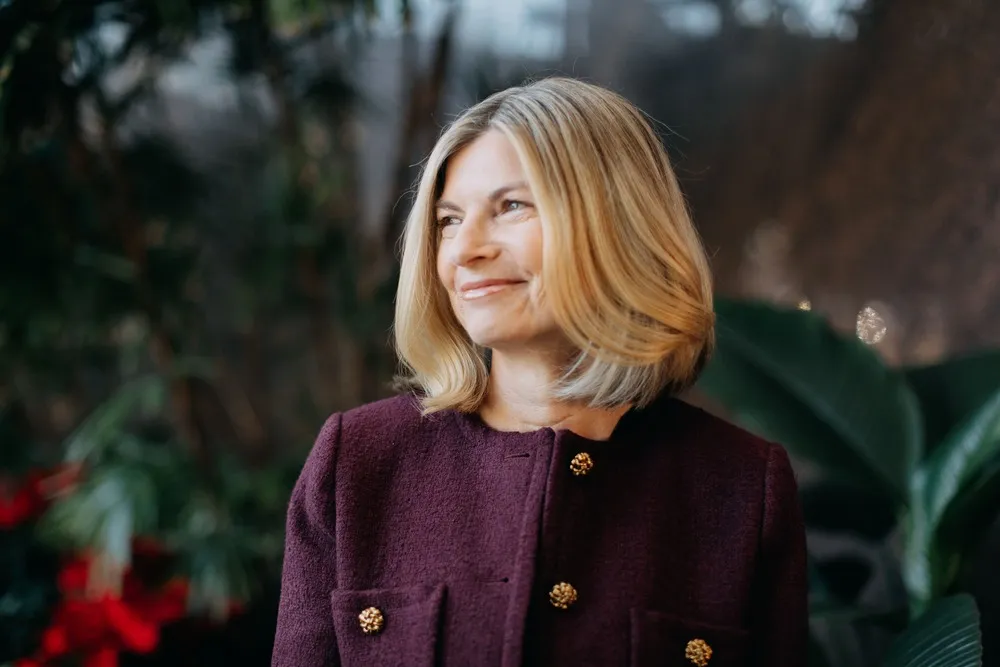
Anne Le Moigne, VP, Clinical & Data Sciences
For as long as I can remember, science has been a central part of who I am. I have always been curious about how things work — testing ideas and forming hypotheses long before I had the language to describe what I was doing. That curiosity led me to study statistics in college and eventually to an internship in a pharmaceutical company’s preclinical and early clinical division. Studying drug effects early in development sparked my interest in the science behind medicines, and when I later moved into late-stage clinical development — while continuing my studies in clinical research — I knew I had found my field.
I have now spent decades in this work, and I am still energized by it every day.
What motivates me most is not just scientific discovery but creating opportunities for others. The achievements I am proud of have centered on making information accessible and empowering colleagues to showcase their expertise. During a major corporate reorganization earlier in my career — a period marked by uncertainty and attrition — I saw an opportunity to transform disruption into momentum. I launched a scientific innovation forum modeled after a professional conference, inviting employees to submit abstracts featuring innovative ideas and process improvements. More than 50 ideas were presented, with top initiatives sponsored for implementation. What began as a response to uncertainty became a recurring platform that gave employees a meaningful voice in shaping the future of the organization.
My commitment to this field is also deeply personal. Close members of my family have been impacted by mental health conditions and substance use disorder. At the time, I did not have the knowledge or tools to fully understand what they were experiencing. Through my work at Indivior, I have gained both scientific insight and perspective, allowing me to better appreciate the complexity of OUD as a brain disease and contribute to solutions that support patients and families facing similar challenges.
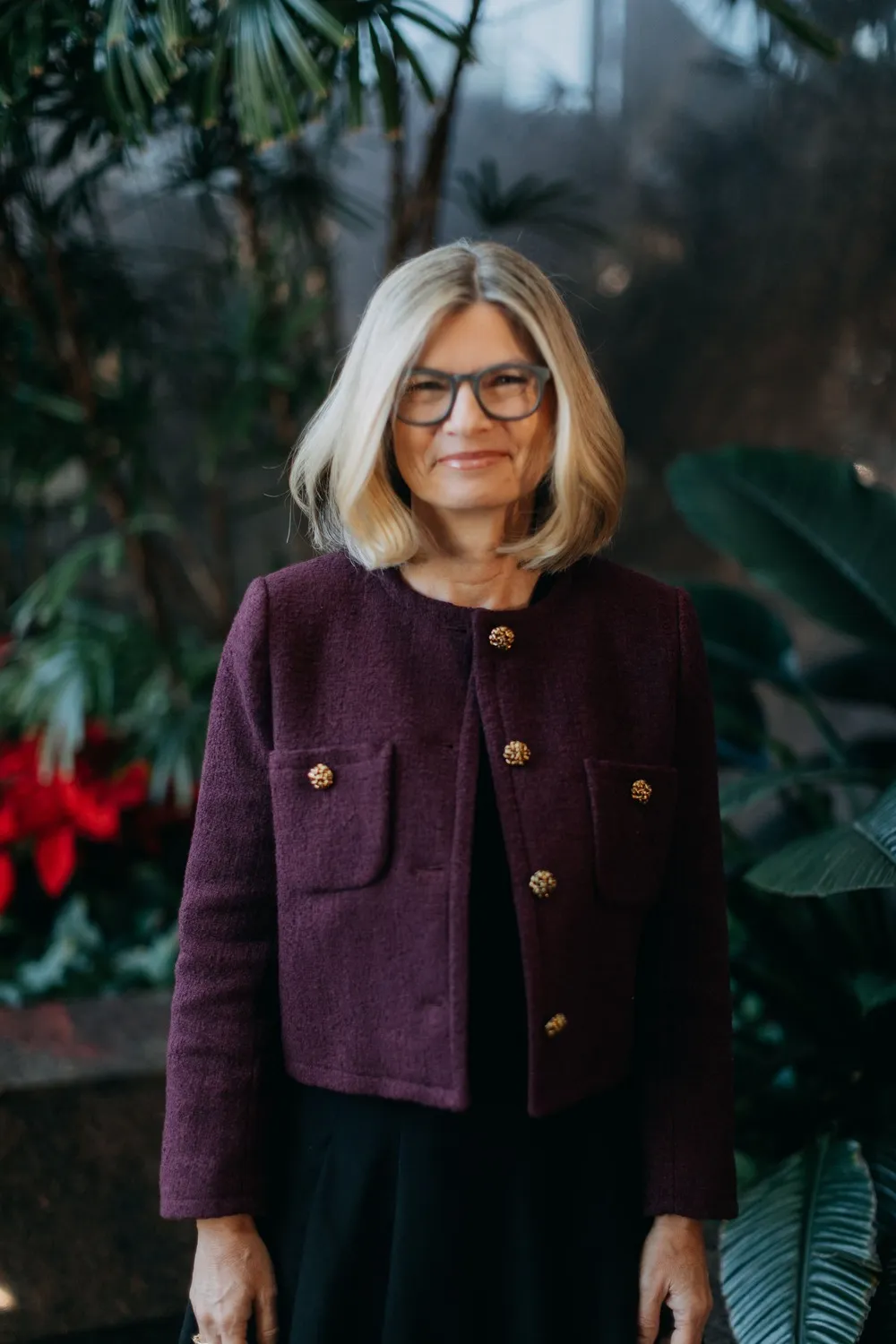
As VP of Clinical & Data Sciences, I lead teams that design, analyze and report data-driven studies informed by historical evidence, regulatory guidance and emerging research. In a rapidly evolving landscape — shaped by increasing illicit drug potency and shifting patient populations — it is essential to stay ahead of trends and ask the right research questions. I am also collaborating with leading behavioral science institutions to integrate and mine data from our sponsored and collaborative studies, pushing the boundaries of what we can learn and apply both within Indivior and across the scientific community.
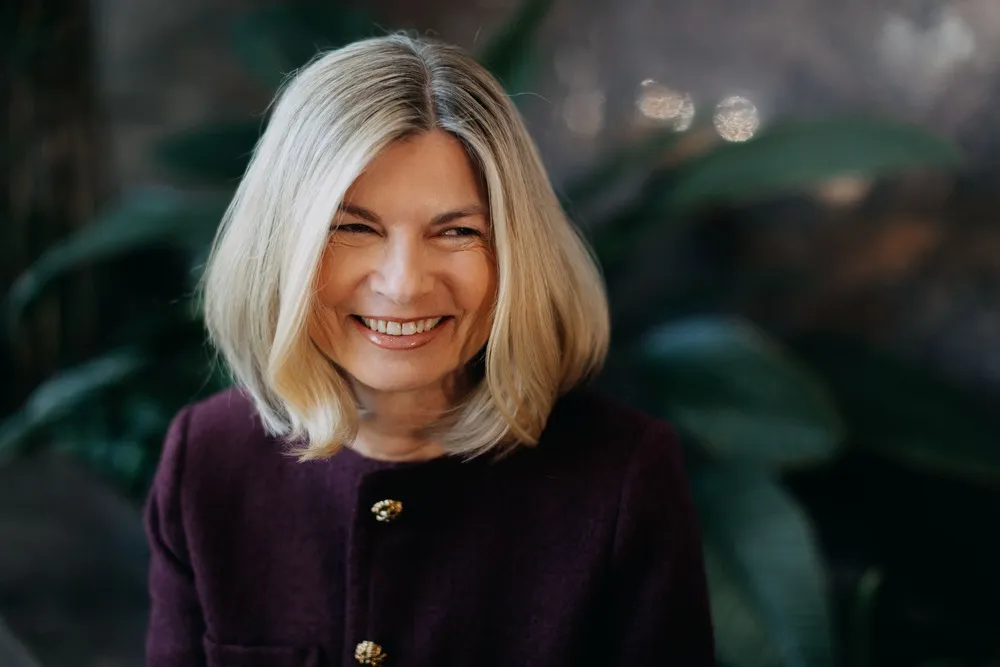
I am guided by the belief that growth requires change. Quotes like “Opportunities don’t happen. You create them,” and “To improve is to change; to be perfect is to change often,” resonate deeply with me — as does a phrase from my childhood: Ne te reposes pas sur tes lauriers — don’t rest on your laurels.
My advice to anyone considering a career in science is simple: stay curious and ask questions. Science isn’t about having all the answers; it’s about being willing to explore the unknown. Never fear failure — experiments rarely go as planned, including in clinical development. What matters is recognizing when something isn’t working and having the courage to pivot.
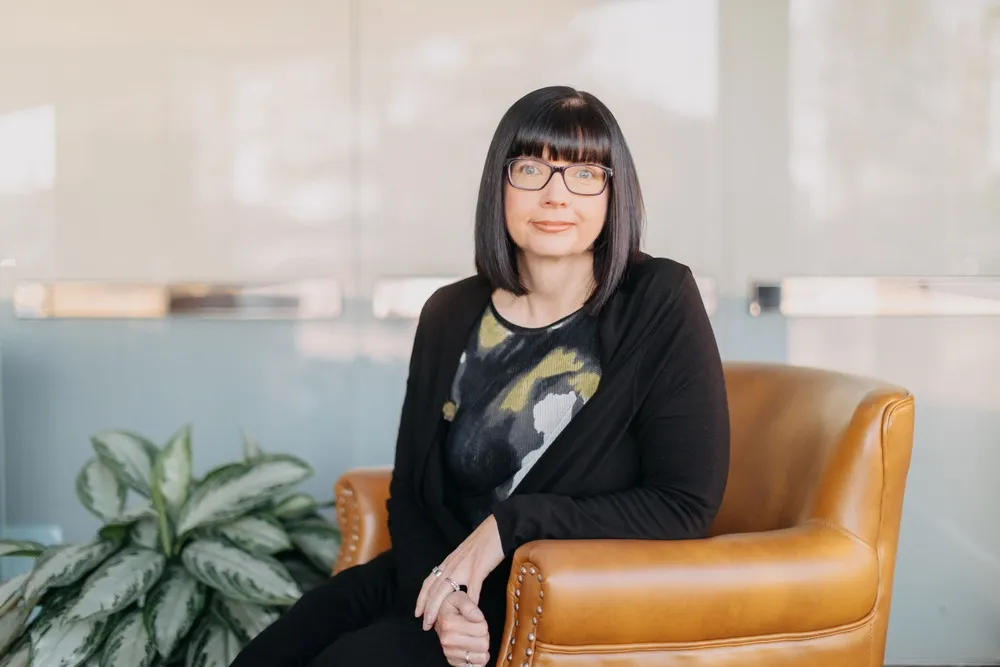
Ann Wheeler, VP, Medical Affairs
Every day brings new data, emerging therapies, and evolving patient needs. Staying curious means asking: How can we translate this evidence into better outcomes? This dynamic environment ensures there’s always something new to learn and apply.
My interest in science started with a simple chemistry set my parents gave me as a gift. I was fascinated by experiments — mixing compounds, watching reactions, and trying to understand why things worked the way they did. That early curiosity never left me. Years later, I found myself drawn specifically to psychopharmacology after hearing a news report about the death of River Phoenix. I learned that a psychopharmacologist had determined the exact cause of death following a drug overdose. That moment crystallized for me how deeply science could intersect with real lives — and how powerful expertise in this field could be.
I am a pharmacist by training, though people are often surprised to learn that I haven’t worked in a traditional pharmacy or dispensed medication in more than 20 years. My career has evolved far beyond the pharmacy counter and into the broader landscape of medical strategy, clinical evidence, and patient advocacy.
As VP of Medical Affairs, my role is about bridging science and strategy to improve patient outcomes. I spend much of my time translating complex clinical data into actionable insights for diverse stakeholders — from healthcare providers to internal teams. It requires balancing scientific rigor with practical considerations, ensuring that decisions are both evidence-based and patient-centered. A significant part of my work involves building trust and alignment across functions so that we move forward with clarity, integrity, and shared purpose.
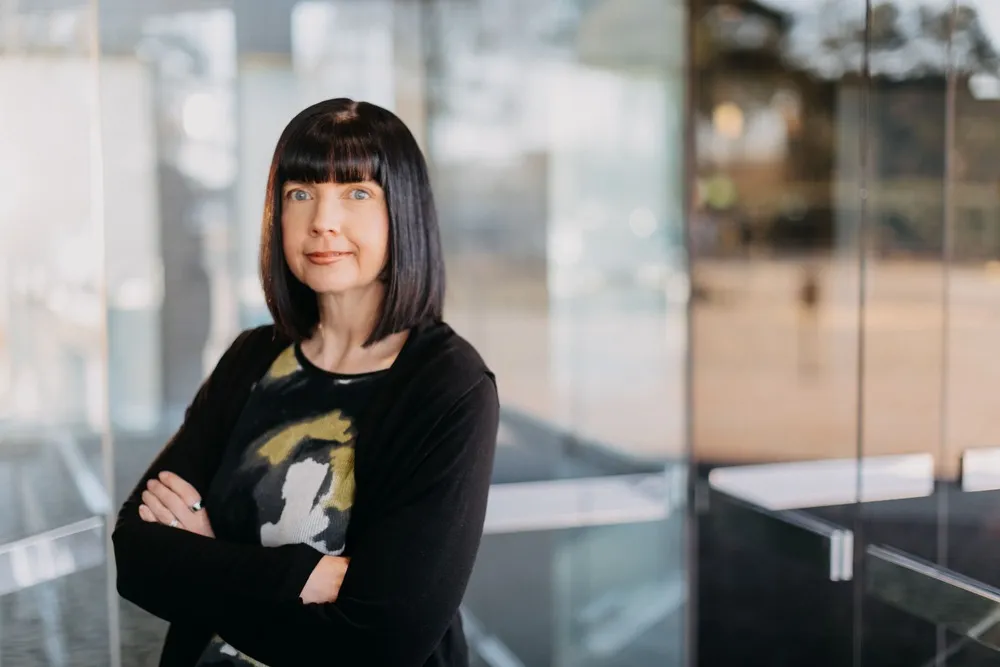
Medical Affairs sits at the intersection of research, clinical practice, and strategy — which is exactly what keeps me curious. Every day brings new data, emerging therapies, and evolving patient needs. Staying curious means asking: How can we translate this evidence into better outcomes? This dynamic environment ensures there’s always something new to learn and apply.
I am inspired by Helen Keller’s words: “Although the world is full of suffering, it is also full of the overcoming of it.” Science, to me, is part of that overcoming. My advice to anyone considering a career in science is to embrace the unexpected. Curiosity drives innovation, and persistence helps you navigate setbacks. The path is rarely linear — but it is always worth it.
.webp)

Share